
How to Know When Your Roof Is Near the End of Its Life
Mitch Lowry | April 25, 2026
Your roof does not usually fail overnight. Most of the time, it gives you warning signs long before active leaking begins. The problem is that many homeowners do not notice those signs until shingles are already deteriorated, granules are washing into the gutters, or moisture has found its way into the attic.
For homeowners in Olympia, Lacey, Tumwater, and the South Puget Sound area, roof wear can happen faster because of rain, moss growth, tree coverage, shade, and long damp seasons. Knowing what to look for can help you plan ahead before a small roof concern becomes an expensive repair.
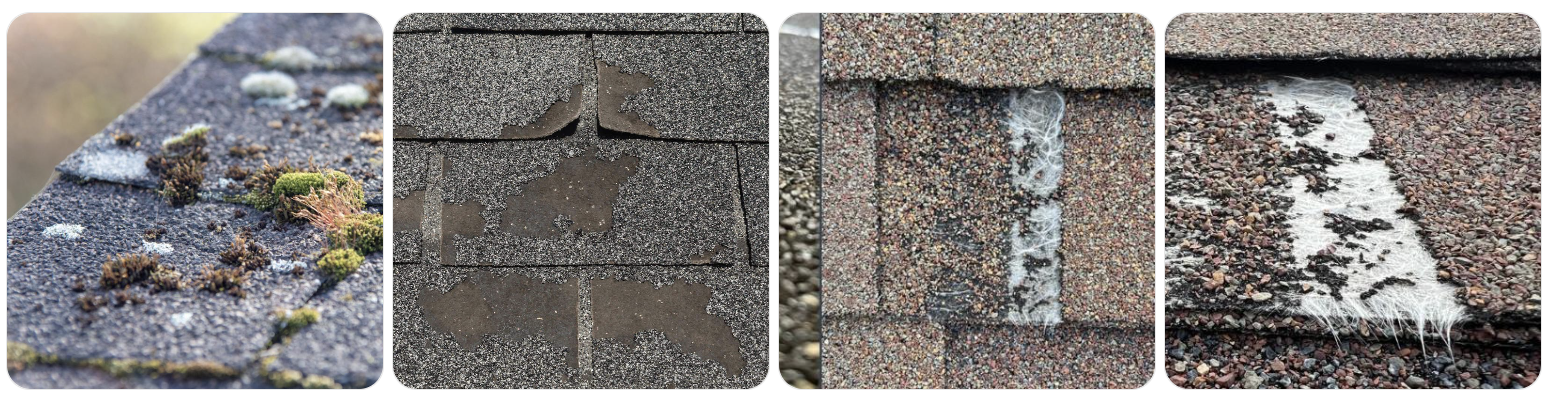
1. Heavy Granule Loss
One of the most common signs of an aging asphalt shingle roof is granule loss. The granules on shingles help protect the asphalt layer from sun, weather, and wear. When those granules wear away, the shingles may look bald, patchy, shiny, or discolored.
You may also see piles of granules in gutters, at downspout exits, or on lower roof surfaces. Some granule loss is normal on newer shingles, but heavy or widespread loss on an older roof is a strong sign that the roof covering is approaching the end of its useful life. GAF lists excessive granule loss and missing, torn, or curling shingles as exterior signs that a roof may need replacement.
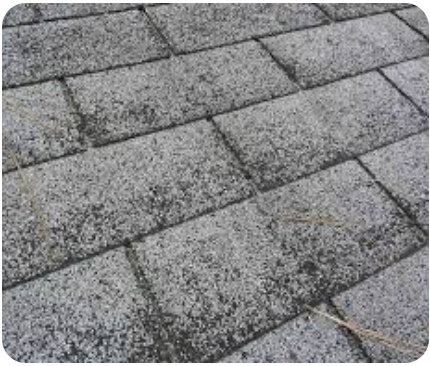
2. Curling, Cupping, or Cracked Shingles
Shingles should generally lie flat. When the edges curl upward, the center cups, or the shingles crack, the roof is no longer shedding water as effectively as it should. Curling and cracking can allow wind-driven rain to get under the shingles and can make the roof more vulnerable during storms.
Multiple roofing sources identify curling, cracking, buckling, and missing shingles as common signs that a roof may be beyond simple repair.
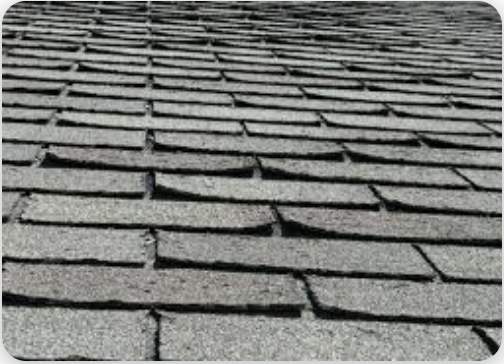
3. Missing or Loose Shingles
A few missing shingles after a windstorm may be repairable. But if shingles are missing in several areas, keep blowing off, or appear brittle and loose, the roof system may be wearing out as a whole.
This is especially important on older roofs. Once the shingles become brittle, repairs may not hold well because surrounding shingles can crack or break during repair work.
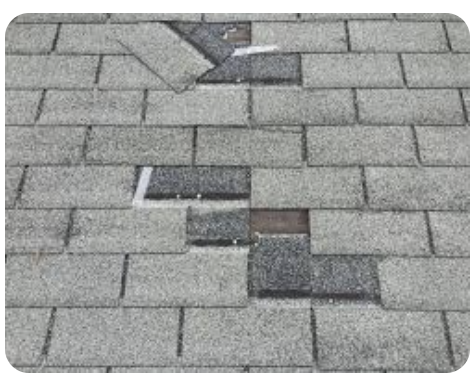
4. Moss, Lichen, and Organic Growth
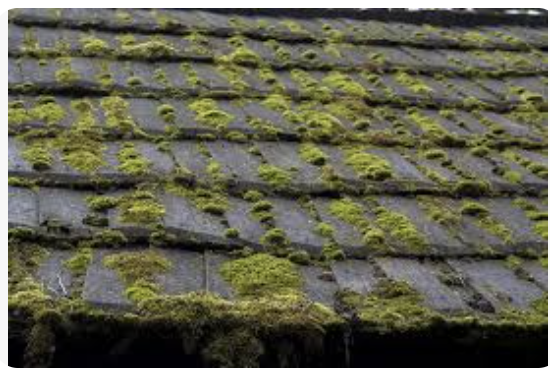
Moss is very common in the Pacific Northwest, especially on shaded roofs or roofs under trees. A small amount of surface moss does not always mean the roof is failing, but heavy moss can hold moisture against the shingles, lift shingle edges, and accelerate deterioration.
If moss has been present for years, the roof may have hidden granule loss underneath. Aggressive pressure washing can also damage shingles, so moss removal should be handled carefully.
5. Exposed Fiberglass Mat or Bald Spots
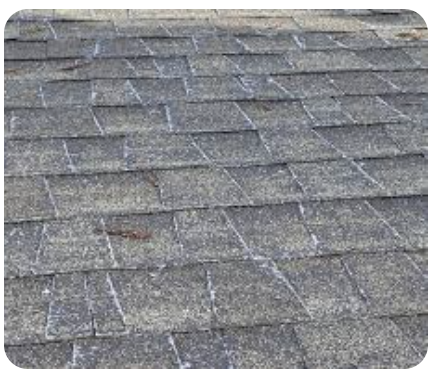
When the protective granules are gone, the fiberglass mat or asphalt layer may become exposed. These areas often look gray, shiny, smooth, or patchy compared to the surrounding shingles.
This is one of the stronger visual signs that shingles are near the end of life. Once the protective surface is gone, the shingle is much more vulnerable to UV damage, cracking, and moisture intrusion.
6. Damaged Flashing Around Chimneys, Valleys, Skylights, and Walls
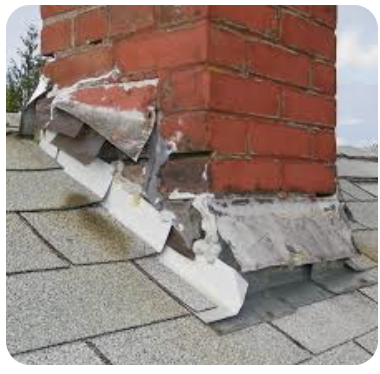
Roof leaks often start at roof penetrations and transitions, not just in the middle of the roof. Watch for damaged, lifted, rusted, poorly sealed, or patched flashing around chimneys, skylights, plumbing vents, valleys, and wall intersections.
GAF notes that buckling or tears around roof flashing can be a warning sign when evaluating whether a roof is nearing replacement.
7. Sagging or Uneven Roof Areas
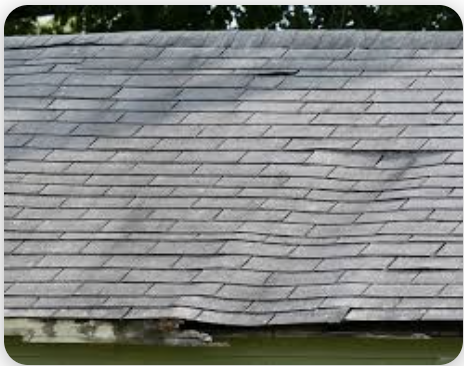
A sagging roof surface is more serious than normal shingle wear. Sagging can indicate structural movement, damaged sheathing, moisture damage, or framing issues. This should be evaluated promptly.
GAF identifies sagging as a sign that can point to a structural issue and may require replacement rather than repair.
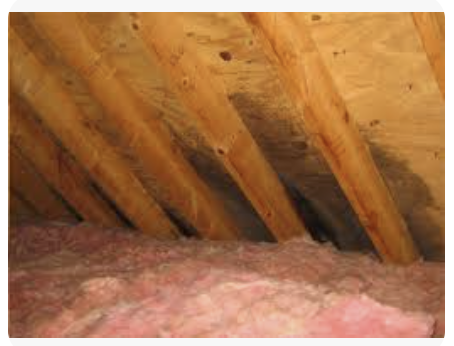
8. Interior Water Stains or Attic Moisture
Water stains on ceilings, dark staining in the attic, damp insulation, or staining on roof sheathing can all indicate roof leakage or ventilation-related moisture problems. Sometimes roof leaks are intermittent and only appear during wind-driven rain.
Even if the roof is not actively dripping, moisture staining should not be ignored. A roof that is already showing exterior wear and interior moisture signs may be near the end of service life.
9. The Roof Is Near or Past Its Expected Age
Age alone does not determine whether a roof needs replacement, but it is an important clue. Many asphalt shingle roofs are commonly expected to last around 20 to 30 years depending on material quality, installation, ventilation, maintenance, weather exposure, and tree coverage.
In the South Puget Sound area, shaded and moss-prone roofs may show wear sooner than roofs with better sun exposure, good attic ventilation, and regular maintenance.
10. Repairs Are Becoming Frequent
One repair does not always mean you need a new roof. But if shingles are missing in different areas, flashing repairs keep failing, granule loss is widespread, or leaks continue to appear, replacement may be more practical than ongoing patchwork.
At some point, repairs become temporary fixes on a roof system that is already worn out.
When Should You Call a Professional?
You should have the roof evaluated if you see widespread granule loss, curling shingles, exposed matting, missing shingles, sagging, damaged flashing, or signs of leakage. A professional roof evaluation can help determine whether the roof still has serviceable life remaining or if replacement should be planned soon.
A home inspection can also help identify related concerns such as attic moisture, poor ventilation, damaged sheathing, unsafe roof conditions, or drainage problems that may be affecting the roof.
Final Thoughts
A roof near the end of its life will usually show a combination of warning signs, not just one. Heavy granule loss, curling shingles, moss growth, damaged flashing, missing shingles, and attic moisture are all clues that the roof may need attention.
Catching these signs early gives homeowners time to plan, budget, and avoid surprise leaks during the next heavy rain.