
Should You Get a Sewer Scope Before Buying a Home?
Mitch Lowry | May 4, 2026
When buying a home, most people focus on the roof, foundation, electrical system, plumbing, heating system, and visible interior conditions. Those are all important, but one major system is often hidden underground and completely out of sight: the sewer line.
A standard home inspection can identify visible plumbing concerns inside the home, but it does not fully evaluate the underground sewer line between the home and the city connection or septic system. That buried pipe can be one of the most expensive surprises a buyer faces after moving in.
That is why a sewer scope inspection can be one of the smartest add-ons to consider before purchasing a home.
What Is a Sewer Scope Inspection?
A sewer scope inspection uses a specialized camera that is inserted into the sewer line through an accessible cleanout or other suitable access point. The camera is pushed through the line while video is recorded, allowing the inspector to look for visible defects, restrictions, damage, or conditions that may need further evaluation.
This type of inspection can often identify problems that would not be visible during a regular home inspection.
Common sewer line concerns may include:
Root intrusion
Cracked or broken pipe
Pipe offsets
Low areas or “bellies” in the line
Standing water
Debris buildup
Improper slope
Collapsed sections
Damaged older pipe materials
Poor installation or repairs
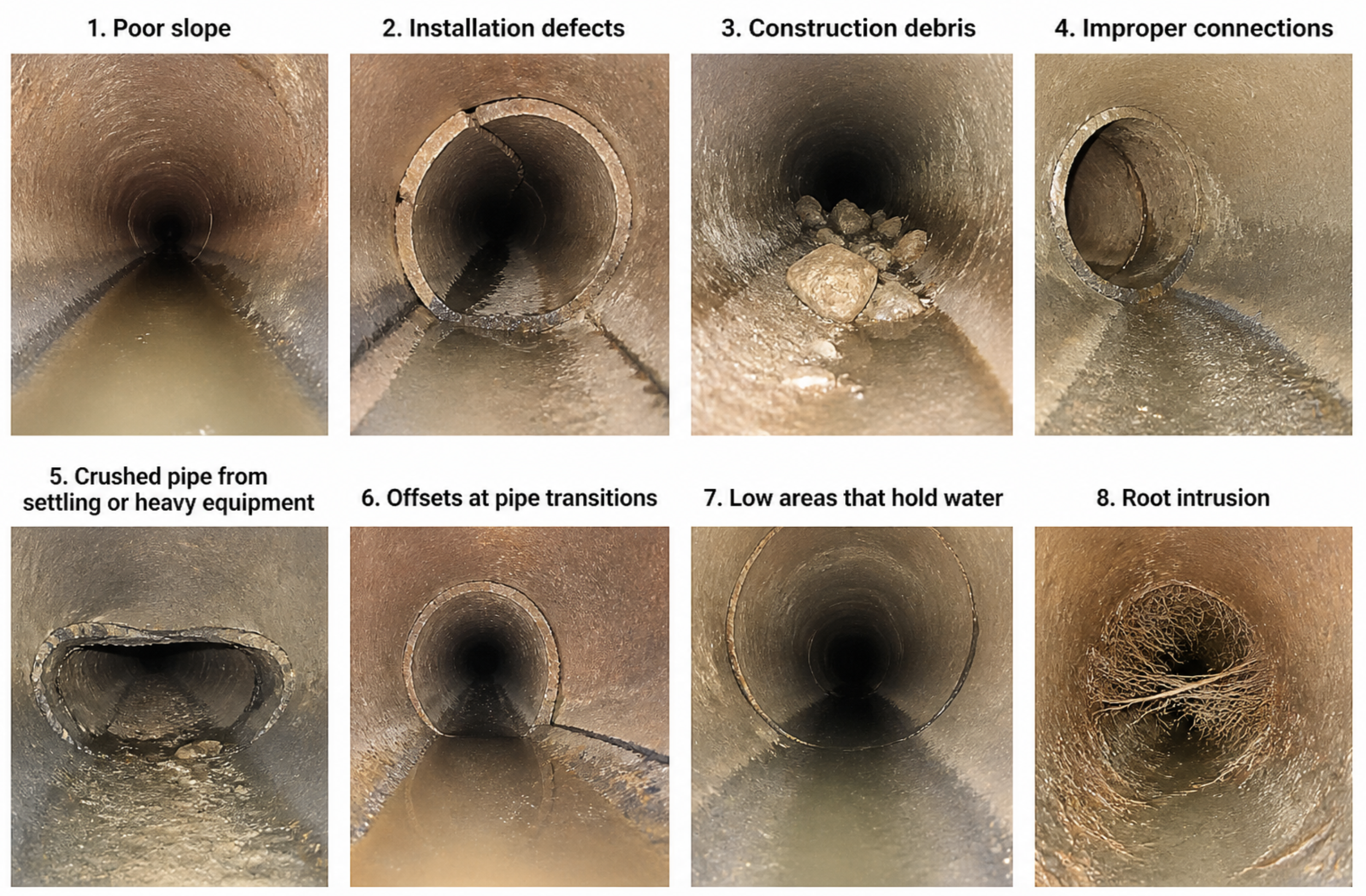
Even if the plumbing fixtures inside the home appear to drain normally during the inspection, that does not always mean the underground line is in good condition.
Sewer Line Repairs Can Be Expensive
Sewer line repairs can vary widely depending on the location, depth, pipe material, landscaping, driveway or sidewalk coverage, and the amount of excavation required. In some cases, repairs may be relatively minor. In other cases, they can cost thousands or even tens of thousands of dollars.
A damaged sewer line can also lead to backups, slow drains, sewage odors, yard damage, or interior water damage if the problem becomes severe enough.
For buyers, the concern is simple: once the home is purchased, the sewer line problem usually becomes their responsibility.
A sewer scope gives buyers more information before closing so they can make a more informed decision.
Older Homes Are Not the Only Ones With Sewer Problems
Many buyers assume sewer scopes are only needed for old homes. While older homes are more likely to have aging pipe materials or root intrusion, newer homes can also have problems.
Newer sewer lines may still have:
Poor slope
Installation defects
Construction debris
Improper connections
Crushed pipe from settling or heavy equipment
Offsets at pipe transitions
Low areas that hold water
A newer home does not automatically mean the sewer line is problem-free. The only way to get a better look inside the line is with a sewer camera.
Tree Roots Are a Common Concern
Tree roots are one of the most common sewer line problems. Roots naturally seek moisture and can enter small openings, cracks, or loose joints in the pipe. Over time, they can grow inside the line and restrict drainage.
A sewer line may still function at the time of inspection but show root intrusion that could become a larger issue later. Finding this early gives buyers a chance to ask questions, request further evaluation, or plan for maintenance before a major backup occurs.
What If There Is No Accessible Cleanout?
A sewer scope requires proper access to the sewer line. The best access point is usually an accessible sewer cleanout. In some cases, access may be possible through a sufficiently large plumbing vent on the roof, depending on the home and conditions.
If no safe or suitable access point is available, the sewer scope may not be possible at the time of inspection. In that case, the buyer may want to ask the seller about the location of the cleanout or consult a licensed plumber about creating proper access.
Having a visible and accessible sewer cleanout is helpful for both inspection and future maintenance.
A Sewer Scope Can Help Buyers Negotiate
If a sewer scope finds damage, heavy root intrusion, standing water, offsets, or other concerns, the buyer may have options before closing. They may choose to request further evaluation by a licensed plumbing contractor, ask for repairs, negotiate credits, or simply better understand the risk they are taking on.
The sewer scope does not guarantee that every future problem will be prevented, but it can reveal visible conditions inside the line at the time of inspection.
That information can be very valuable during the inspection period.
Peace of Mind Before Closing
Buying a home already involves a lot of unknowns. The sewer line should not be ignored just because it is underground.
A sewer scope inspection is a practical way to reduce risk, especially when purchasing an older home, a home with large trees nearby, a home with previous plumbing concerns, or any property where the sewer line condition is unknown.
For many buyers, the cost of a sewer scope is small compared to the potential cost of a major sewer repair after closing.
Final Thoughts
A sewer line is one of the most important hidden systems on a property. When it fails, repairs can be disruptive and expensive. A sewer scope inspection helps buyers see what is happening inside the buried sewer line before they own the home.
If you are buying a home in Olympia or the South Puget Sound area, adding a sewer scope to your home inspection can provide valuable information and help you make a more confident decision before closing.