
Zinsco Electrical Panels: Hazards, Identification, and What Homeowners Should Know
March 3rd, 2026
Mitch Lowry
Older homes throughout the 1960s and 1970s were commonly equipped with Zinsco electrical panels. Today, these panels are frequently flagged during home inspections due to documented concerns involving breaker performance and overheating connections.
If your home has a Zinsco panel — or you’re buying a home that does — here’s what you should understand.
Why Zinsco Panels Are Considered Hazardous
The primary concerns with Zinsco panels involve overcurrent protection failure and internal overheating.
1️⃣ Breakers That May Not Trip
A circuit breaker is designed to shut off power when wiring becomes overloaded or when a short circuit occurs. Some Zinsco breakers have shown a history of failing to trip under certain overload conditions. When a breaker does not trip properly, wiring can continue to heat up — increasing fire risk.
2️⃣ Overheating at the Bus Bar Connection
Inside the panel, breakers connect to a vertical metal strip called a bus bar. With Zinsco panels, that connection can deteriorate over time. Poor contact can cause:
Heat buildup
Arcing
Corrosion and pitting
Breakers fusing to the bus bar
These issues are often not visible until the panel cover is removed.
What a Zinsco Panel Looks Like (Cover On)
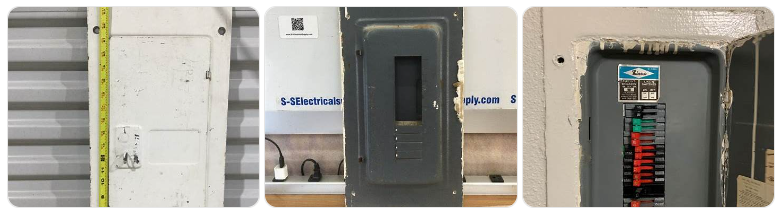
With the cover closed, Zinsco panels often look like simple gray or beige metal boxes. Branding may say “Zinsco,” or in some cases “Sylvania” or “GTE-Sylvania” from the same era.
Because many older panels look similar from the outside, identification usually requires opening the panel.
Interior Identification Features
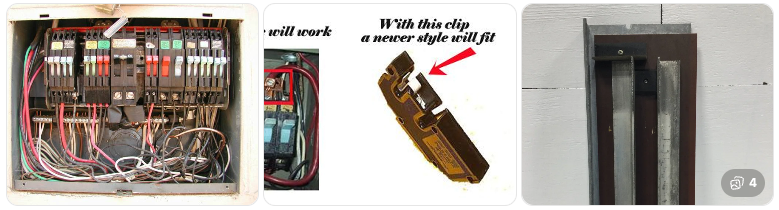
Common interior identifiers include:
Distinctive breaker shapes
Colored breaker handles (often red or green)
Breakers mounted vertically along a center bus bar
Older labeling styles
Not all Sylvania panels are Zinsco design — confirmation matters.
Signs of Heat Damage or Failure
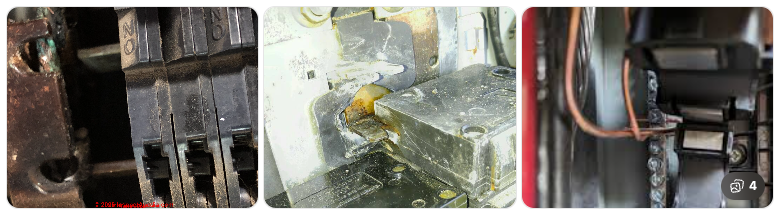
During inspections, I look for:
Discoloration around breaker connections
Melted plastic or warped breakers
Arcing marks or pitting on the bus bar
Corrosion inside the panel
Even if a panel appears functional, internal deterioration can still exist.
What Homeowners Should Do
If a Zinsco panel is identified:
Have a licensed electrical contractor evaluate it.
Discuss replacement options with modern UL-listed equipment.
Address the issue prior to close if part of a real estate transaction.
Because the electrical panel is a primary life-safety component of the home, proactive replacement is often considered the safest long-term option.