Manufactured Home vs. Modular Home: What’s the Difference?
Mitch Lowry | March 21, 2026
When buyers hear the terms manufactured home and modular home, they are often used as if they mean the same thing. They do not. While both are factory-built homes, they are built under different standards, installed differently, and can be treated differently by lenders, insurers, appraisers, and buyers. Understanding the difference can help prevent confusion during a real estate transaction and help buyers know what to expect before closing.
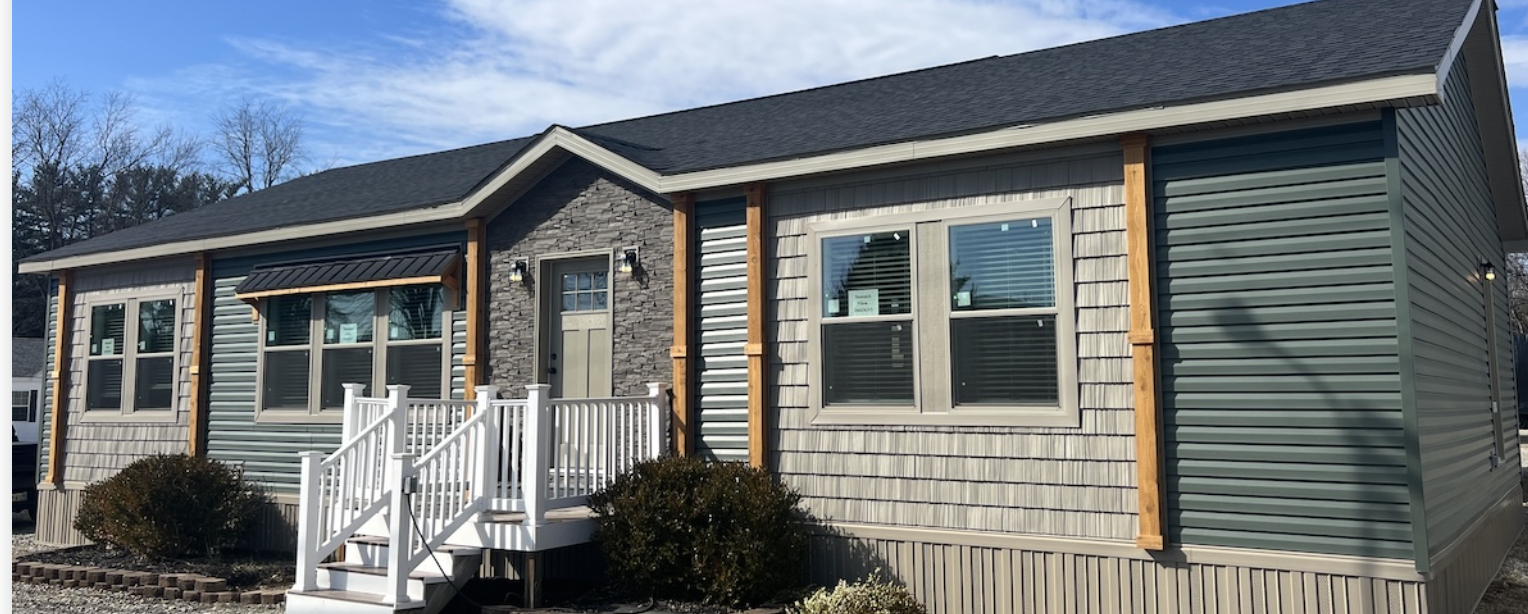
Modular Home
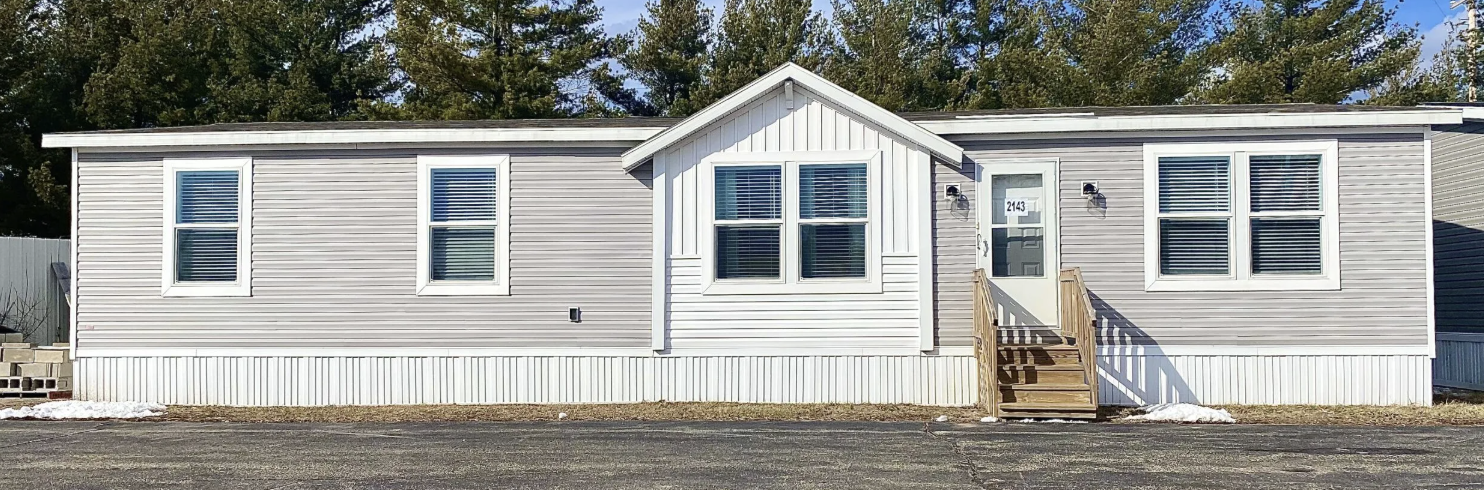
Manufactured Home
A manufactured home is built to the federal HUD Code. These homes are built in a factory, transported to the site, and installed on a permanent chassis. Homes built before June 15, 1976, are generally referred to as mobile homes rather than manufactured homes. One of the clearest clues is that manufactured homes were designed to be transported as complete sections on their own steel frame.
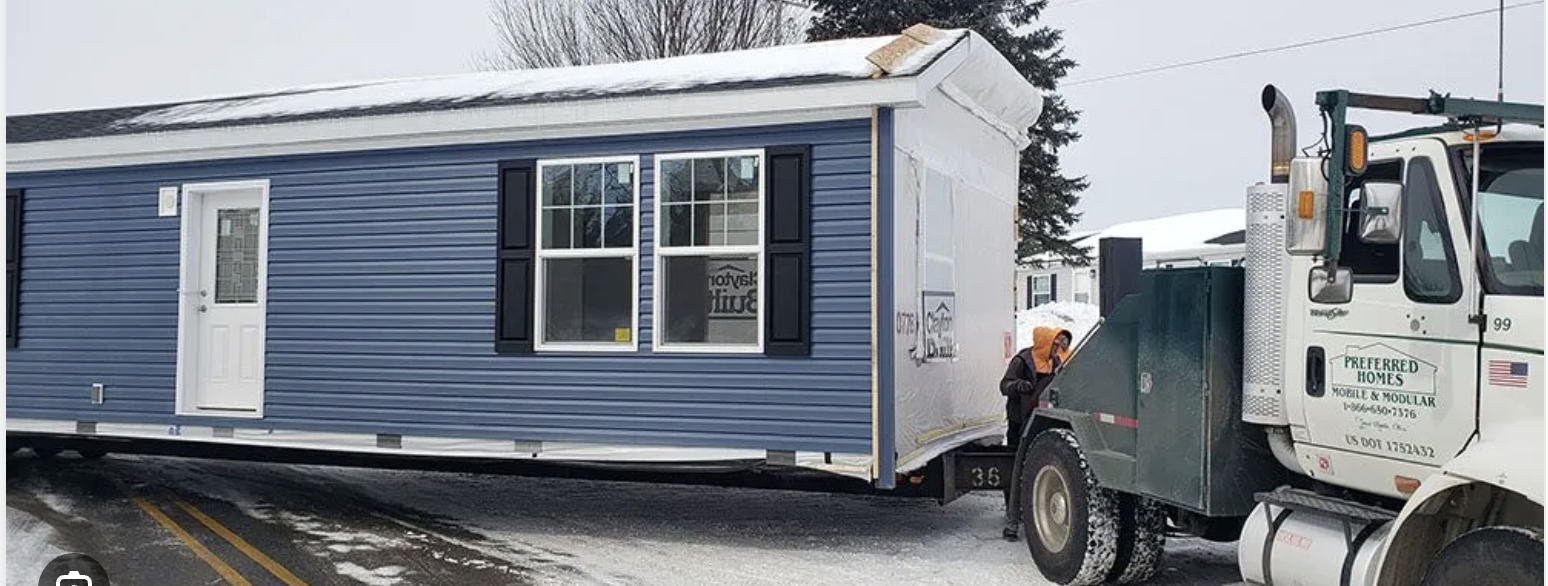
A modular home is also factory-built, but it is constructed to the same state and local building codes as a traditional site-built house. Modular homes are built in sections in a factory, delivered to the site, and then assembled on a permanent foundation. Once completed, they often look very similar to site-built homes and may be difficult for the average buyer to distinguish from one.
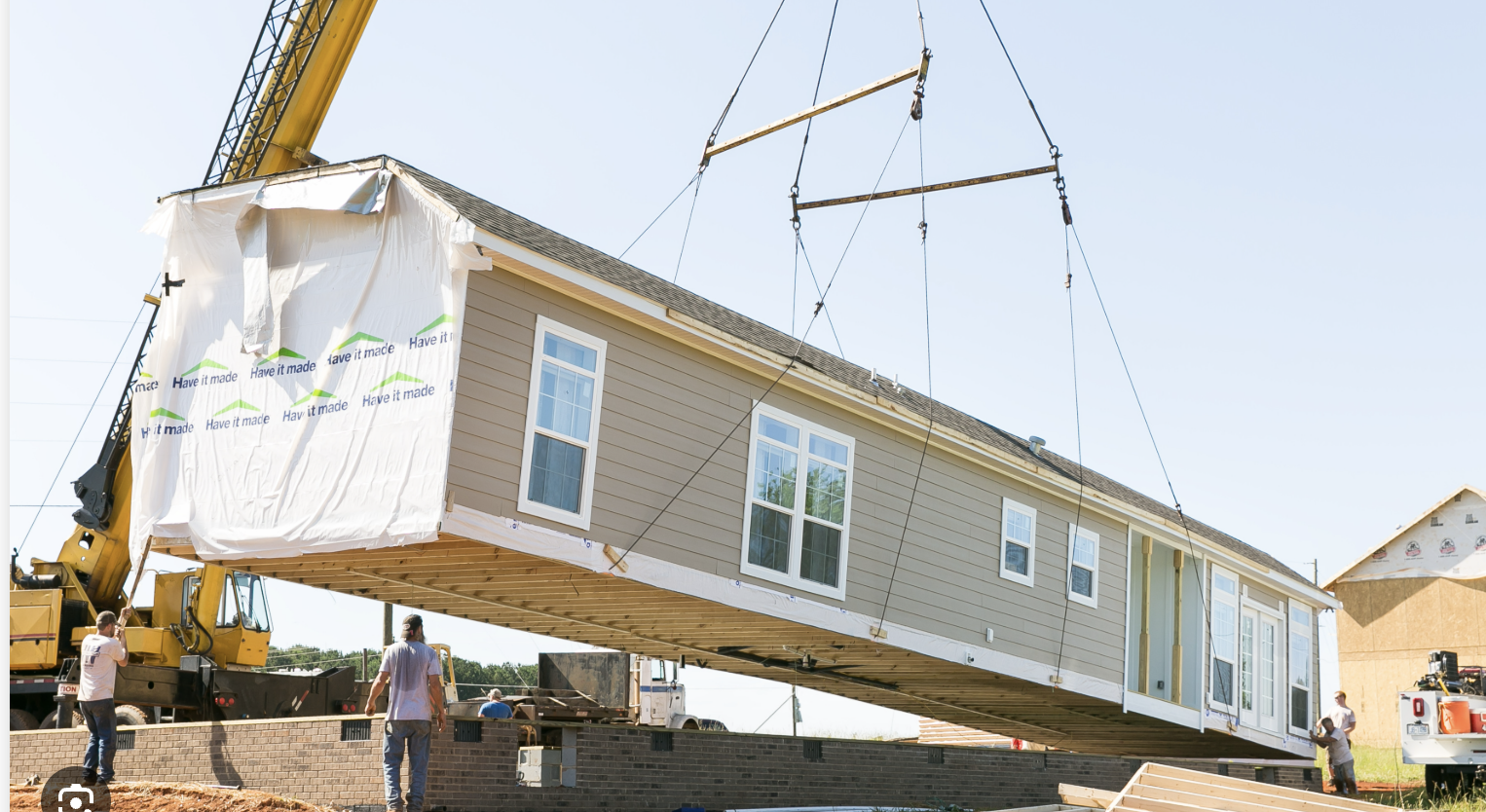
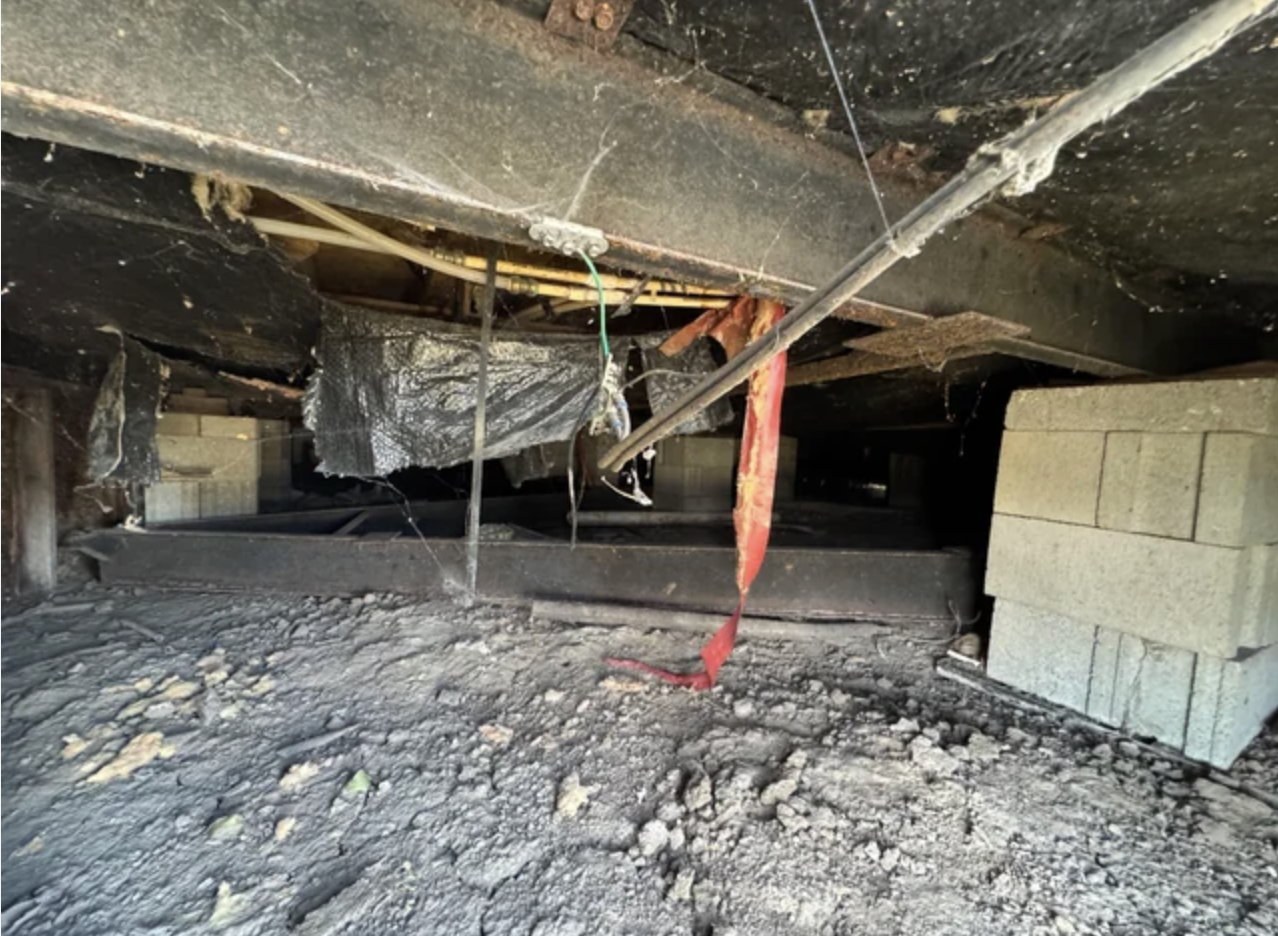
One of the biggest differences between the two is the chassis. Manufactured homes have a permanent steel chassis that remains part of the structure. Modular homes do not typically have the same type of permanent transport frame. Instead, they are installed more like a conventional house on a foundation system intended to function like a site-built home.
Another important difference is how the homes are identified. Manufactured homes usually have HUD certification labels, often called HUD tags, attached to the exterior of each transportable section. They also commonly have a data plate inside the home with important information about the home’s construction. Modular homes are usually identified through state or local approval processes and are generally treated more like site-built homes after installation.
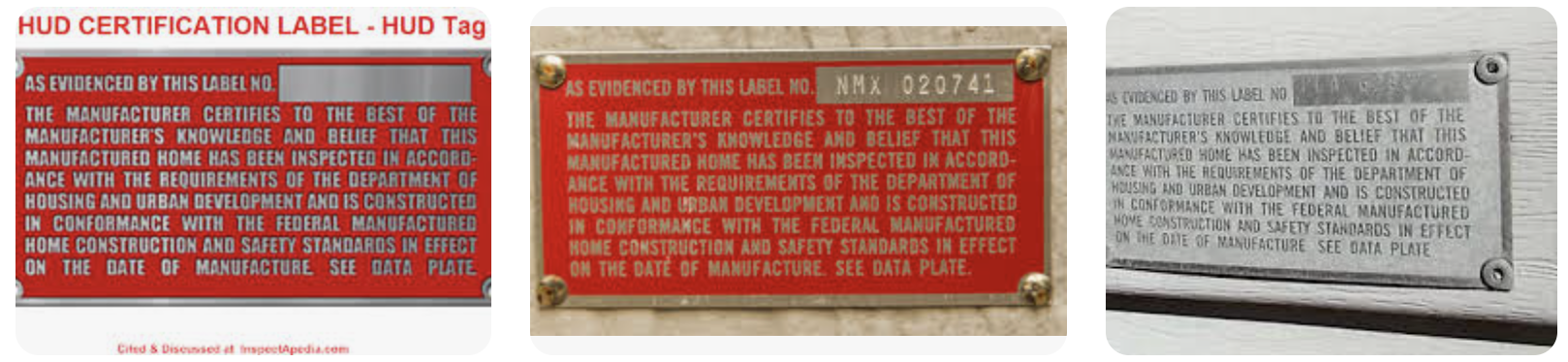
HUD Data Plate
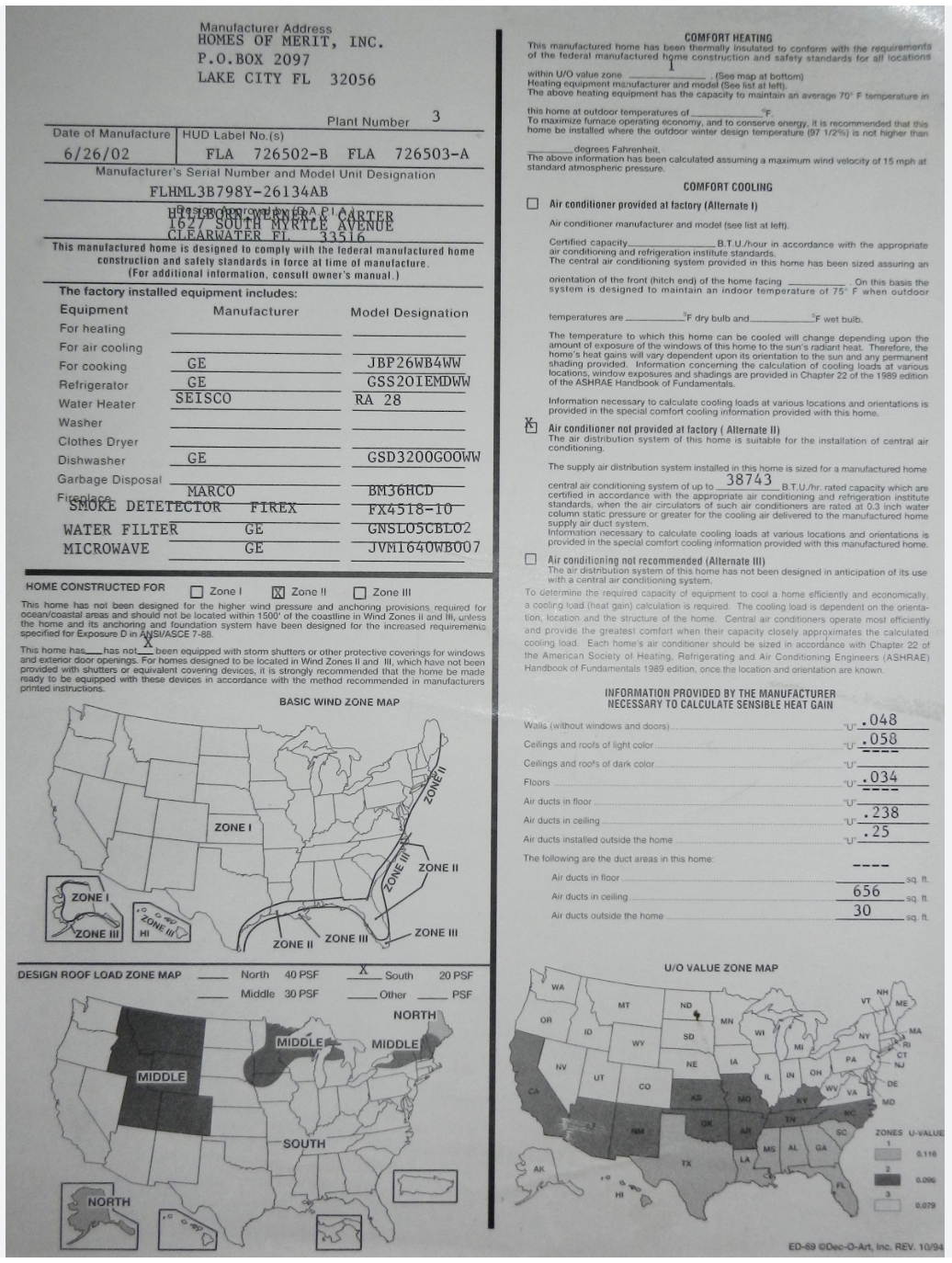
HUD Data Sheet
This difference can also affect financing and insurance. Manufactured homes may require more attention to title status, foundation type, tie-down systems, HUD labels, and lender requirements. In many transactions, buyers may find that lenders want additional documentation, especially if the home must meet permanent foundation requirements. Modular homes are more commonly financed and appraised like traditional site-built homes, although local requirements can still vary.
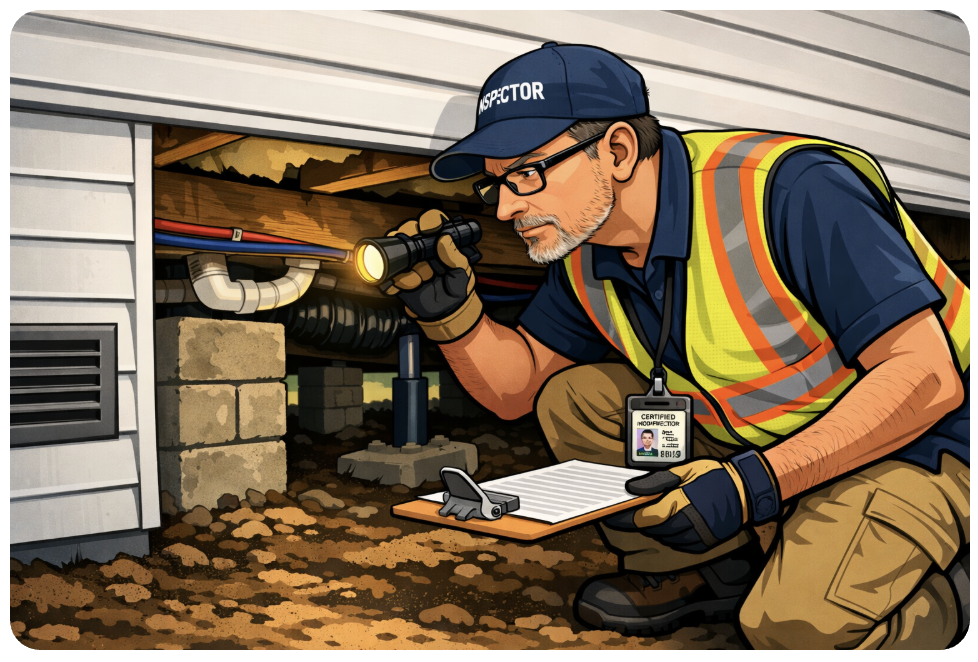
From an inspection standpoint, this distinction matters. Manufactured homes may involve concerns related to the chassis, piers, blocking, tie-downs, skirting, HUD labels, data plate, and whether a foundation certification may be required. Modular homes are usually inspected more like a conventional house, though it is still important to verify the structure, installation, and any visible signs of settlement, moisture intrusion, or repair concerns.
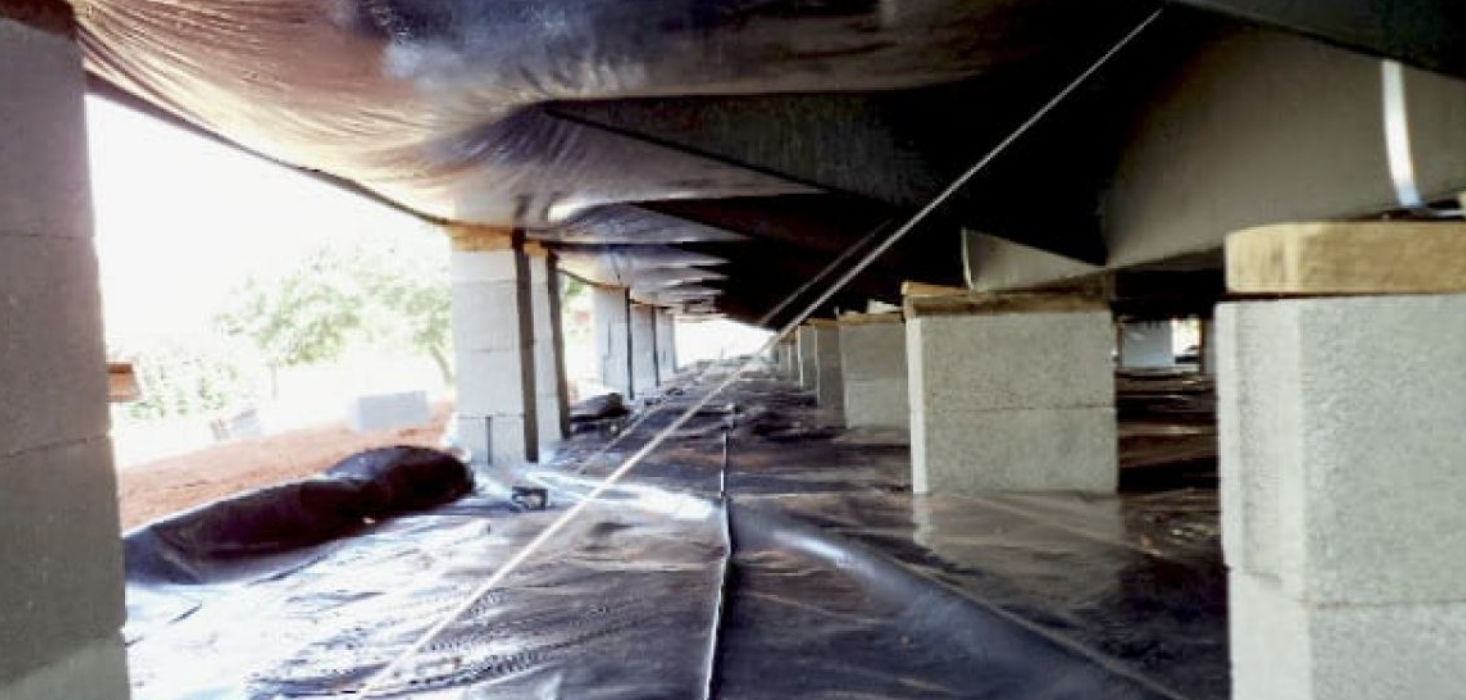
Tie-Down Straps
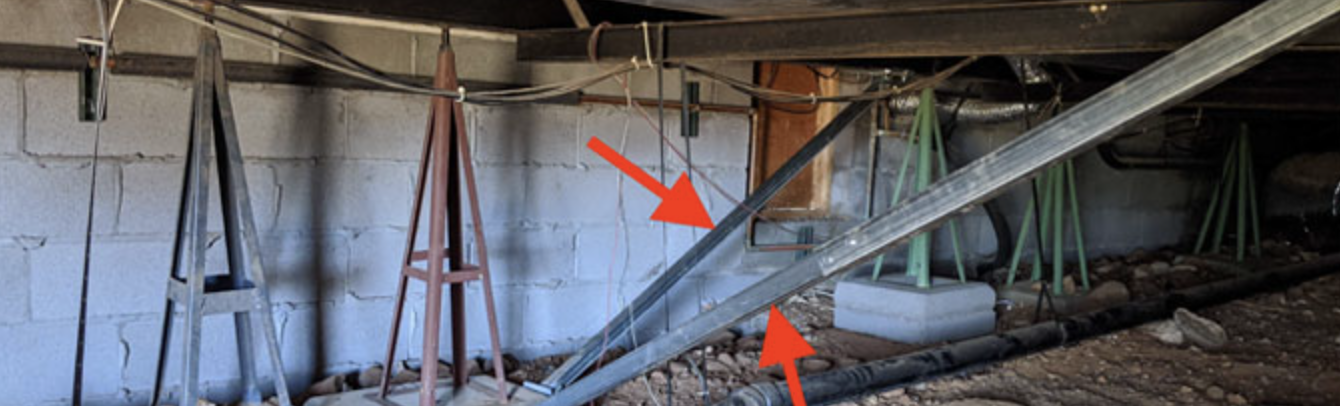
Bracing
Buyers are sometimes surprised to learn that factory-built does not mean the same thing in every case. A modular home is not simply a manufactured home with a different name, and a manufactured home is not just a modular home on wheels. They are two distinct categories of housing with different construction methods, different codes, and different transaction considerations.
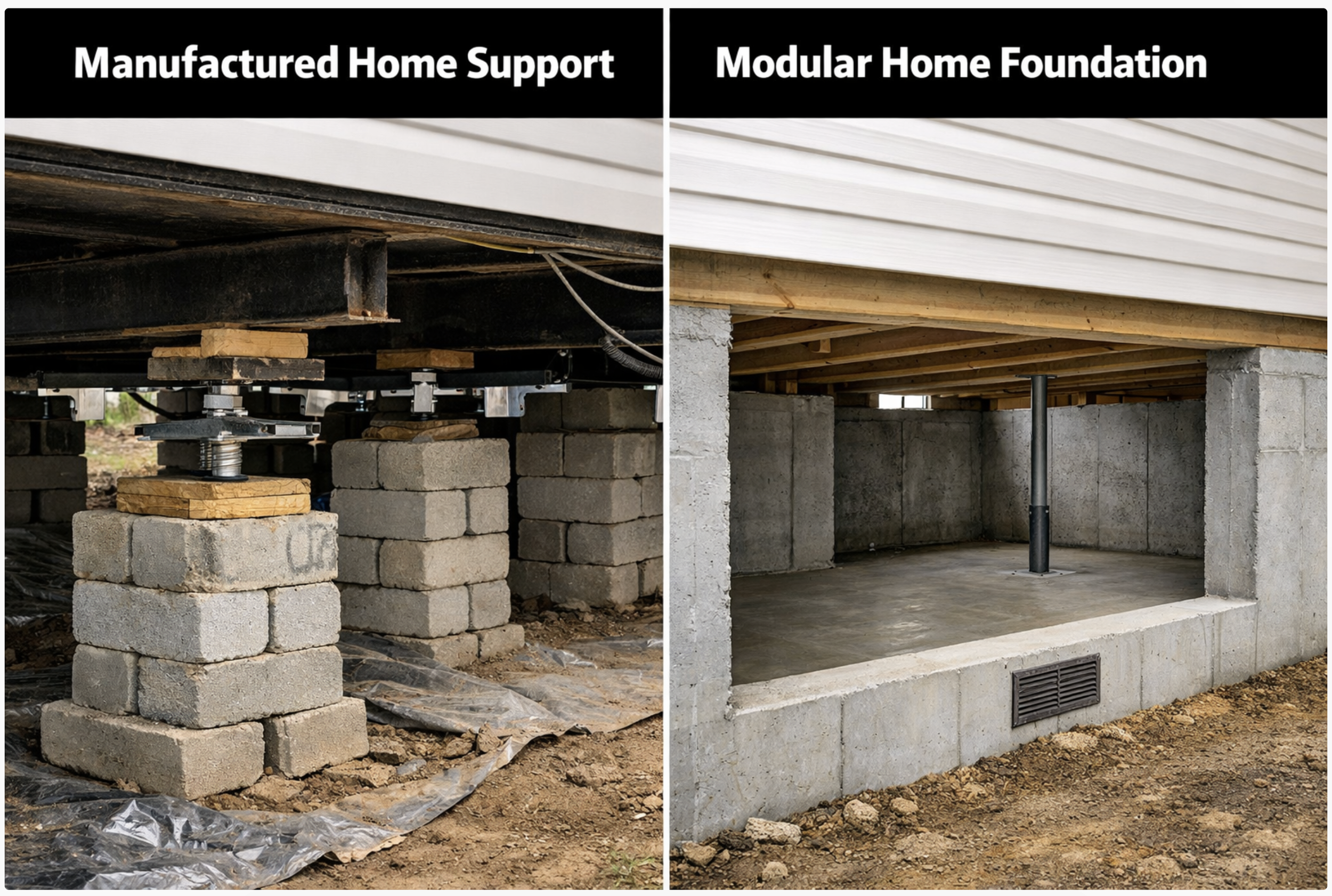
For buyers, the best approach is to identify the type of home early in the process. That can help avoid surprises with financing, insurance, inspection expectations, and possible foundation requirements. It can also help clarify what standards the home was built to and what should be verified before closing.
If you are purchasing a manufactured home, it is especially important to verify the foundation system, HUD labels when applicable, and whether your lender will require a foundation certification before closing. If you are unsure whether a home is manufactured or modular, an experienced inspector can help explain the difference and identify what should be further evaluated