
Bathroom Exhaust Fans and Moisture Control: What Homeowners Should Know
Mitch Lowry | March 23, 2026

Bathroom exhaust fans are one of the most overlooked parts of a home, but they play a major role in helping control moisture, protect building materials, and improve indoor air quality. In Washington homes, where damp conditions are already common much of the year, a missing, damaged, or improperly vented bathroom fan can contribute to bigger problems over time.
Every time a shower or bath is used, warm moist air fills the bathroom. If that moisture is not removed properly, it can collect on mirrors, walls, ceilings, windows, trim, and even inside wall or attic spaces. Over time, that excess moisture may lead to stained ceilings, peeling paint, damaged drywall, wood deterioration, and conditions that may support mold-like growth.
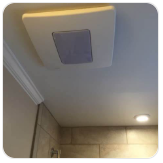
This is one reason bathroom fans are so important. A properly working exhaust fan helps remove humid air from the bathroom and send it to the exterior of the home. This helps reduce condensation and lowers the amount of moisture that lingers in the room after bathing. Even a bathroom that looks clean on the surface may still be dealing with repeated moisture buildup if the fan is missing, not working, too weak, or not venting properly.
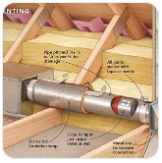
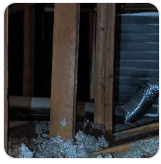
During home inspections, it is common to find bathrooms with no exhaust fan, fans that are dirty or noisy, fans that do not appear to remove much air, or ductwork that terminates in the attic instead of the exterior. When moist bathroom air is discharged into an attic instead of outside, it may contribute to insulation damage, elevated moisture conditions, wood staining, and possible mold-like growth on roof sheathing or framing members.
One simple upgrade that can help is installing a timer switch or a humidity-sensing switch on the bathroom fan. Many people turn the fan off too soon, before enough moisture has been removed from the room. Allowing the fan to run for at least 20 minutes after a shower or bath can help reduce lingering humidity and condensation. A humidity switch can also help by automatically turning the fan on when moisture levels rise and keeping it running until the bathroom has had more time to dry out.
A bathroom fan also matters for comfort and daily use. Without good ventilation, bathrooms often stay damp longer, mirrors fog up heavily, and musty odors may remain trapped in the space. Homes with repeated bathroom moisture problems may also show damage around window trim, caulking, wall coverings, and painted surfaces.
For buyers and homeowners, the takeaway is simple: a bathroom exhaust fan is not just a convenience item. It is an important part of managing indoor moisture. If a bathroom fan is missing, not operating properly, excessively noisy, dirty, or appears to vent improperly, it should be evaluated and repaired as needed. Adding a timer or humidity-controlled switch can also be a practical improvement to help the fan do its job more effectively. Keeping bathroom moisture under control can help protect the home and reduce the risk of larger moisture-related issues later.
In Washington homes, moisture management matters. Something as simple as a properly functioning bathroom exhaust fan can make a big difference in helping protect ceilings, walls, attic areas, and overall indoor air quality.