
Indoor Air Quality Testing for Mold and Particulates: What Homeowners Should Know
Mitch Lowry | March 28, 2026
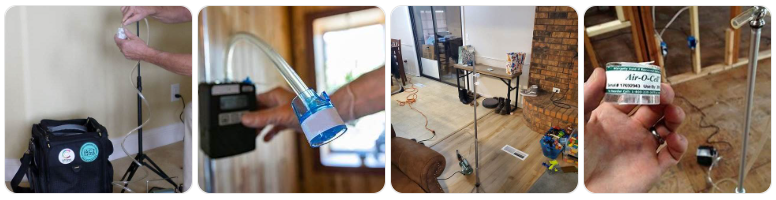
Indoor air quality testing can be a smart step when a home has a musty smell, visible staining, recent water intrusion, allergy-type complaints, or concerns about dust and airborne particulates. Indoor air can contain mold spores, dust, pet dander, pollen, and other fine particles that affect comfort and may aggravate asthma, allergies, or respiratory irritation. The EPA notes that source control, ventilation, and filtration are the main ways to reduce indoor air problems, and CDC guidance emphasizes controlling moisture to help prevent mold growth.
Mold testing and particulate testing are not exactly the same thing, but they often work together to give a clearer picture of what may be happening inside a home. Mold-related sampling can help identify elevated airborne spores or confirm suspected growth in specific areas, while particulate testing can help evaluate airborne debris such as dust, allergens, and other fine particles that may be circulating through the living space. EPA guidance explains that indoor particulate matter often includes biological material such as mold spores, pet dander, dust mite debris, and pollen, and that normal household activity can stir these particles back into the air.
Air sampling is often useful when there is a concern about what may be present in the breathing space, especially when there is no obvious visible mold but there are odors, moisture history, or occupant concerns. In some cases, air samples may be taken indoors and compared with an outdoor control sample to help provide context. At the same time, EPA also notes that if visible mold growth is already present, sampling is often unnecessary because the real priority is correcting the moisture source and properly cleaning or removing affected materials.
That is where spot testing can be helpful. If there is a suspicious area on drywall, wood, sheathing, around windows, near HVAC components, or on contents, a swab or tape-lift sample can sometimes be used to evaluate that specific surface. Tape lifts and swabs are common direct examination methods used for visible suspect growth and can help identify whether fungal structures are present on that material. These methods are typically most useful for targeted investigation or to help document a localized concern, rather than as a substitute for fixing the water or humidity issue that allowed the growth in the first place.
Moisture is usually the real story behind mold problems. A roof leak, plumbing leak, damp crawlspace, condensation, poor bathroom ventilation, or elevated indoor humidity can all contribute to fungal growth over time. CDC recommends keeping indoor humidity no higher than 50% when possible, using exhaust fans that vent outside, and repairing leaks in roofs, walls, or plumbing. NIOSH also emphasizes that proper remediation means drying wet materials quickly and correcting the cause of the moisture, not just covering over the damage.
Particulate testing can also be valuable even when mold is not the main concern. Homes can have elevated particulate levels from dirty ductwork, heavy dust, pets, smoking, renovation debris, cooking, fireplaces, poor filtration, or outdoor air entering the structure. These particles may not always be visible, but they can still affect comfort and indoor cleanliness. Testing can help support a recommendation for better filtration, duct cleaning when appropriate, source removal, improved housekeeping, or ventilation improvements.
Indoor air quality testing is especially worth considering when a home has had past water damage, visible staining, microbial-looking growth, strong odors, recent remodeling, known ventilation issues, or occupants who are sensitive to allergens or particulates. Testing is not about creating fear — it is about gathering more information so buyers, homeowners, and occupants can make informed decisions about the condition of the home and what steps may help improve it.
When needed, a combination of air sampling and targeted surface sampling can provide a more complete picture. Air samples can help evaluate the general indoor environment, while a swab or tape sample can focus on one suspicious material or area. Depending on the situation, this kind of testing can help confirm concerns, guide cleanup, or document conditions before or after repairs. EPA guidance is clear, though, that results should be interpreted carefully and that sampling is most useful when it is tied to a specific question or inspection concern.
If you are noticing musty odors, visible staining, allergy-related symptoms indoors, or possible mold-like growth, contact me for professional indoor air quality testing. As an IAQ2 Certified Indoor Air Quality and Mold Inspector, I can provide mold and particulate testing with a detailed report to help you better understand conditions inside the home.
If you would like to see examples of the type of lab documentation that may be provided after testing, view the sample reports below. These reports can help show how mold and particulate findings are organized and presented.
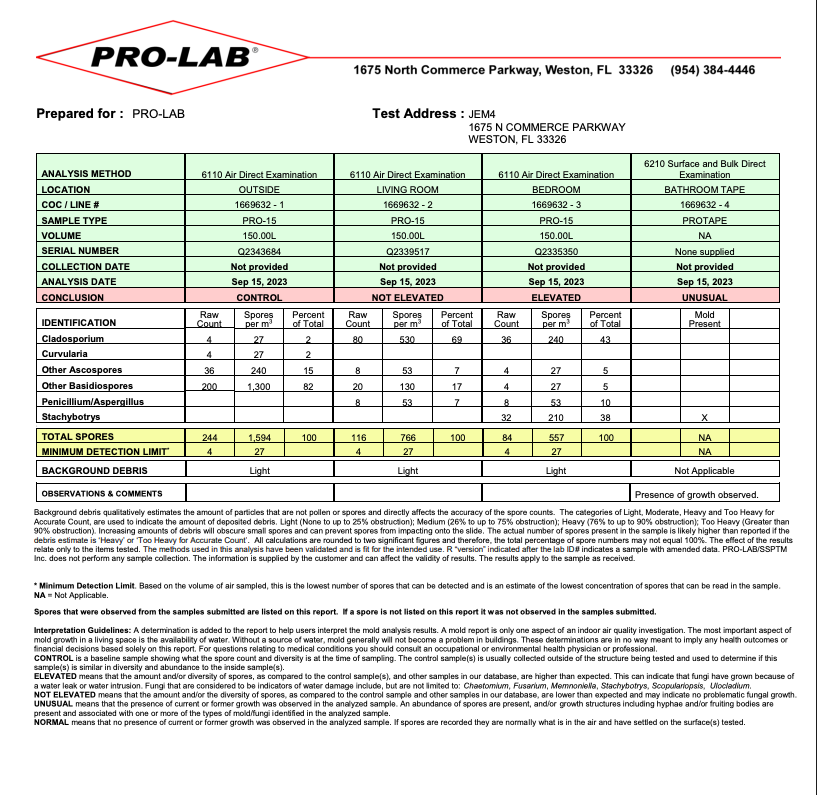
Mold Inspection Results
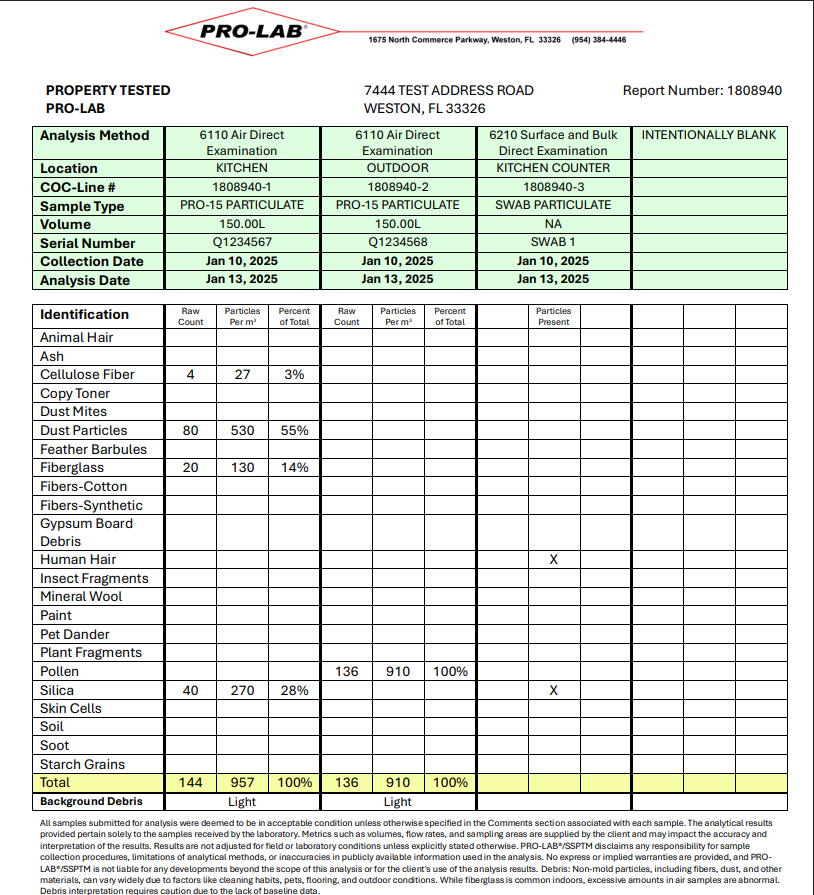
Particulate Inspection Results