
Water Heater Maintenance: How to Service and Take Care of Your Water Heater
Mitch Lowry | April 11, 2026
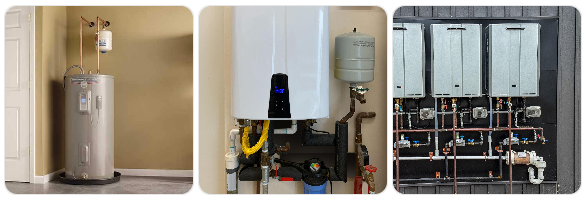
Traditional tank-style, single tankless, and a multi-unit tankless setup.
Your water heater works hard every day, but it is often one of the most overlooked systems in a home. With routine maintenance, a water heater can operate more efficiently, last longer, and be less likely to leave you without hot water when you need it most. Whether you have a traditional tank-style unit or a tankless water heater, a little regular care can go a long way.
One of the most important maintenance items for a standard tank water heater is flushing sediment from the tank. Over time, minerals and debris can build up inside, especially in areas with harder water. That sediment can reduce efficiency, create rumbling or popping noises, and increase wear on the unit. Periodically draining and flushing the tank helps remove that buildup and can improve performance.
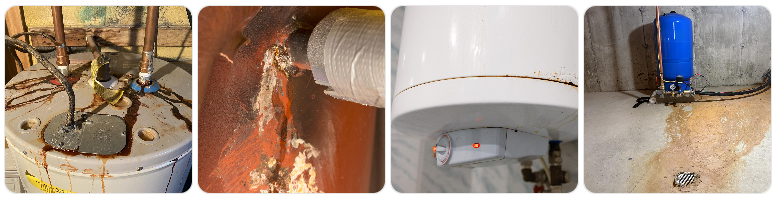
It is also a good idea to inspect the area around the water heater for leaks, corrosion, or rust. Even a small amount of moisture around the base, fittings, or piping can be an early sign of a problem. Catching issues early may help prevent larger repairs or water damage later.
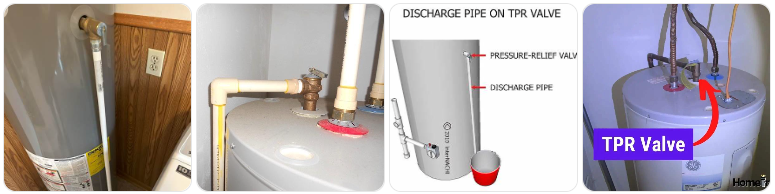
Another important item is testing the temperature and pressure relief valve, often called the TPRV. This safety device is designed to release pressure if the tank becomes over-pressurized. If it is not functioning properly, it can become a safety concern. This item should be checked carefully and serviced by a qualified professional if there are concerns.
The water temperature setting should also be reviewed. If it is set too high, it can create a scalding hazard and waste energy. A moderate setting is often safer and more efficient for everyday household use.
For gas water heaters, it is wise to keep the burner area clean and watch for signs of improper burning, corrosion, or venting concerns. For electric units, routine inspection of wiring and components may help identify wear or developing issues. Tankless water heaters also require maintenance, including periodic descaling, especially in homes with mineral-heavy water.
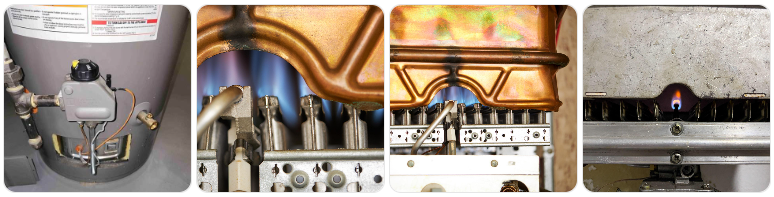
The burner area on a gas water heater should be kept clean and checked for rust, debris, moisture, or signs of improper burning.
Water heaters should also be checked for proper seismic strapping where required, secure venting where applicable, and correct discharge piping at the relief valve. These are all important details that affect both safety and performance.
Routine maintenance can help extend the life of your water heater, improve efficiency, and reduce the chances of unexpected failure. If you are unsure about the condition of your water heater, or want it evaluated during a home inspection, South Puget Sound Home Inspections is here to help. Experience matters.